How to Lower Your Cholesterol
SCROLL DOWN (More info. Below)
Cholesterol is one of those health topics we often push to the back of our minds — until a routine check-up brings it sharply into focus. The good news is that small, consistent changes can make a meaningful difference. You don’t need a complete lifestyle overhaul; you just need to understand what helps your body rebalance.
This guide breaks down the most effective, realistic ways to support healthier cholesterol levels.
Understand the Two Types of Cholesterol
Not all cholesterol is harmful.
- LDL (Low-Density Lipoprotein) is often called “bad” cholesterol because high levels can contribute to plaque buildup in arteries.
- HDL (High-Density Lipoprotein) is the “good” cholesterol that helps remove excess LDL from the bloodstream.
Why it matters: Your goal isn’t to eliminate cholesterol — it’s to create a healthier balance.
Add More Fibre-Rich Foods,
Soluble fibre binds to cholesterol in the digestive system and helps remove it from the body. Soluble fibre binds to cholesterol in the digestive system and helps remove it from the body.
Helpful foods:
- Oats and oat bran
- Beans and lentils
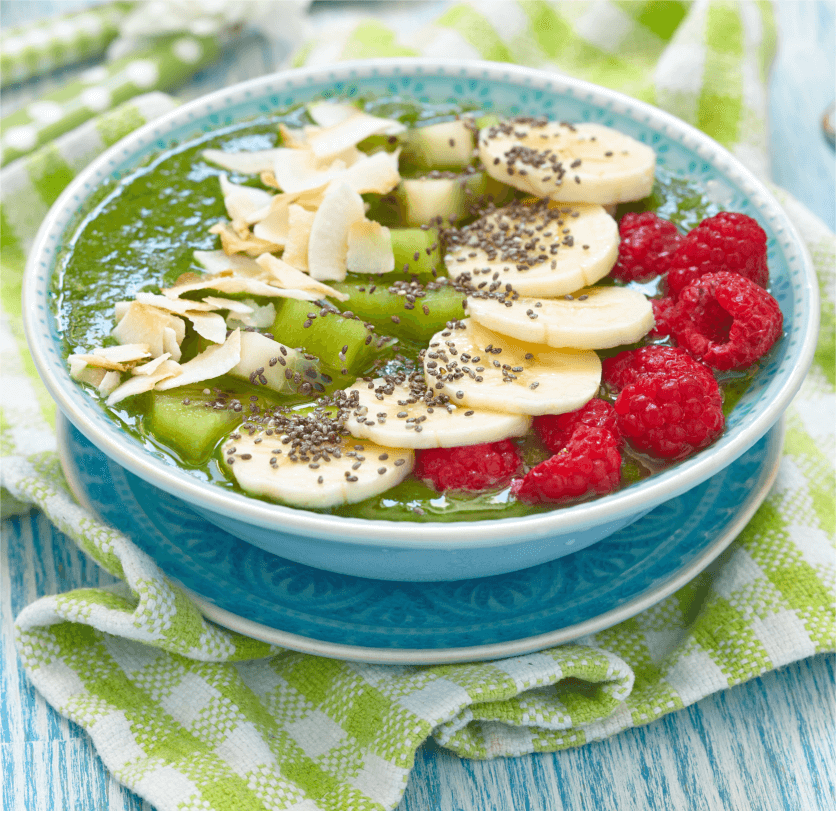
- Apples, pears, berries
- Ground flaxseed and chia seeds
Why it matters: Just 5–10g of soluble fibre per day can help reduce LDL levels.
Choose Heart-Healthy Fats
Replacing saturated fats with healthier fats can support better cholesterol levels.
Better choices include:
- Olive oil
- Avocado
- Nuts and seeds
- Oily fish like salmon, sardines, and mackerel
Why it matters: Healthy fats help raise HDL while lowering LDL.
Reduce Saturated and Trans Fats
These fats can raise LDL cholesterol and contribute to inflammation.
Common sources:
- Fatty cuts of meat
- Butter and full‑fat dairy
- Processed snacks
- Fried foods
Why it matters: Even small reductions can have a noticeable impact on cholesterol readings.
Move Your Body Daily
You don’t need intense workouts — just consistent movement.
Simple ways to start:
- A brisk 20–30 minute walk
- Light cycling
- Swimming
- Home workouts
Why it matters: Regular activity helps raise HDL (the good cholesterol) and supports overall heart health.
You don’t need intense workouts — just consistent movement.
Maintain a Healthy Weight
Carrying extra weight, especially around the midsection, can raise LDL and lower HDL.
Why it matters: Even a modest weight loss of 5–10% can improve cholesterol numbers.
Limit Alcohol and Quit Smoking
Alcohol can raise triglycerides, and smoking lowers HDL.
Why it matters: Reducing or eliminating these habits gives your heart and arteries a better chance to recover.
. Consider Natural Support
Some people find additional support from natural supplements, when used responsibly.
Common options include:
- Plant sterols
- Omega‑3 fatty acids
- Red yeast rice (only with professional guidance)
- Fibre supplements like psyllium husk
Why it matters: These can complement — not replace — healthy lifestyle changes.
9. Keep Up With Regular Check-Ups
Cholesterol levels can change quietly over time.
Why it matters: Routine blood tests help you track progress and adjust your approach when needed.
A Final Thought
Lowering cholesterol isn’t about perfection — it’s about steady, sustainable habits that support your heart long-term. When you make small changes consistently, your body responds. Energy improves, inflammation reduces, and your overall well-being feels lighter and more balanced.